Linseed Oil Paint and Breathable Finishes.

Breathable Finishes and Linseed Oil Paint
in Surrey, West Sussex and Across Hampshire

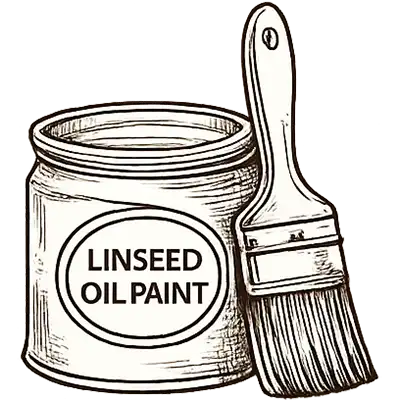
The protection and long-term preservation of historic timber relies on good craftsmanship, regular maintenance, and the use of appropriate materials. For centuries, linseed oil paint was widely used to protect timber within historic buildings. Its durability, flexibility and breathable nature allowed timber to perform as intended whilst providing long-lasting protection against the elements.
Today, many historic buildings across Surrey, West Sussex and Hampshire continue to benefit from traditional linseed paint systems, particularly where the preservation of historic timber and traditional building performance are priorities.

Repair rather than replace
At iwoodcreate, our heritage carpenters' use of linseed oil paint and breathable finishes is informed by practical historical building experience, formal conservation training and ongoing research into traditional materials and historic timber preservation.
We also utilise our expertise to provide carefully considered, sympathetic historic window and door restoration, carpentry services, traditional joinery and woodworking. Please visit our Advice and Research page to learn more about our work.

Why Historic Buildings Need Breathable Finishes

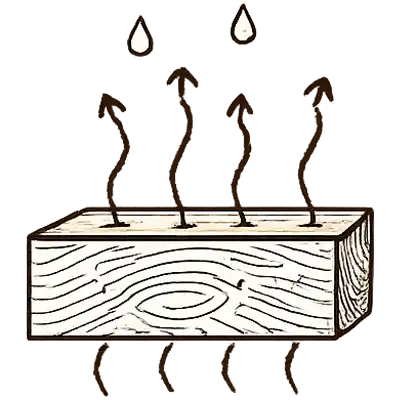
Historic buildings were designed using natural materials that allow moisture to move freely through the structure. Traditional timber, lime mortar and breathable finishes work together to regulate moisture naturally.
Problems often arise when modern impermeable paints are introduced. Rather than allowing moisture to evaporate, these coatings trap it within the timber, often leading to premature paint failure, fungal decay and unnecessary replacement of historic fabric.
Traditional linseed oil paint behaves differently. It penetrates into the timber fibres, allowing the wood to breathe whilst providing long-lasting protection that can be maintained for decades rather than completely stripped and replaced.
These can lead to:
  • Trapped Moisture

  • Accelerated Timber Decay

  • Paint Failure

  • Rot

  • Reduced Service Life of Joinery

  • Increased Maintenance Requirements

Breathable finishes help support the natural performance of traditional buildings whilst reducing the risk of moisture-related deterioration.
Linseed Oil Paint Systems
Traditional linseed oil paints and primers penetrate the timber rather than forming a surface film, providing long-term protection whilst allowing the wood to breathe naturally.
Breathable & Moisture Responsive
Allows moisture to move naturally through the timber, helping reduce trapped moisture, blistering, paint failure and fungal decay whilst protecting historic fabric.
Sympathetic Finishes
Produces a traditional finish that respects the age, character and significance of historic buildings, preserving the appearance of original timber and joinery.
Natural & Sustainable
Manufactured using natural linseed oil and traditional pigments with very low VOC content, providing an environmentally responsible and durable paint system.
Long-Term Performance
With routine maintenance, linseed oil paint systems can protect timber for decades without the need for complete stripping before repainting.
Heritage Conservation
The preferred finish for listed buildings, conservation projects and traditional timber, where breathability, durability and the preservation of historic fabric are essential.

Our Conservation Approach

1. Survey & Assessment
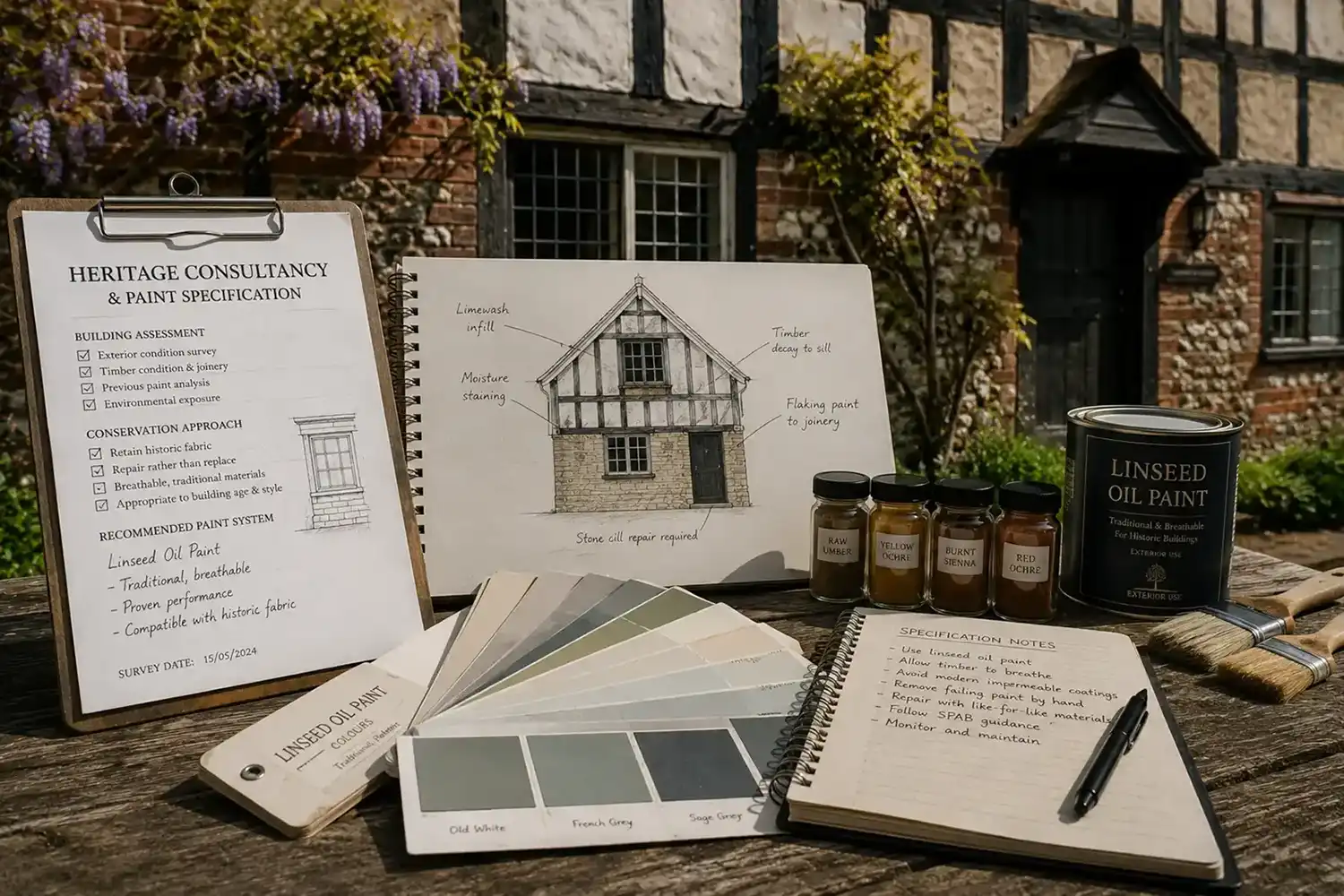
We inspect the existing paint system, timber condition and moisture movement before recommending the most appropriate breathable finish.
2. Paint Analysis & Conservation Advice
Existing coatings are assessed for compatibility, helping determine the most suitable conservation-led approach.
3. Surface Preparation & Timber Repairs
Any defective coatings are carefully removed where necessary and localised timber repairs completed before painting begins.
4. Traditional Linseed Oil Paint Application
We inspect the existing paint system, timber condition and moisture movement before recommending the most appropriate breathable finish.
5. Maintenance & Aftercare
Ongoing maintenance advice is provided to maximise the lifespan of the paint system whilst reducing future repair costs.

Benefits of Linseed Oil Paint

Linseed oil paint offers several advantages when used appropriately within historic buildings by our heritage carpenters.
Benefits include:
  • Excellent Timber Protection

  • Breathable Performance

  • Reduced Risk of Trapped Moisture

  • Long Service Life

  • Ease of Maintenance

  • Traditional Appearance

  • Flexibility During Timber Movement

  • Compatibility with Historic Fabric

Historic Windows and Doors

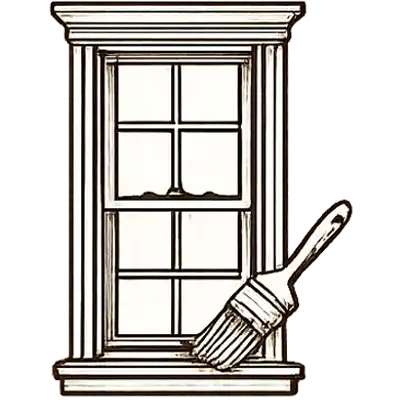
Historic windows and doors are amongst the most common applications for linseed paint. These elements are often exposed to weathering and require coatings that protect the timber whilst allowing it to perform naturally.
Linseed oil paint is particularly suitable for:
  • Historic Window Restoration

  • Sash Windows

  • Casement Windows

  • Historic Doors

  • Timber Frames

  • Traditional Joinery

  • Architectural Timber Details

paint-specificationspaint trials

Common Failures in Historic Building Paint

Many historic buildings experience problems caused by inappropriate paint systems rather than defects within the timber itself.
Common issues include:
  • Flaking Paint

  • Cracking Coatings

  • Blistering

  • Trapped Moisture

  • Decay Beneath Paint Layers

  • Excessive Paint Build-Up

  • Loss Of Detailing

  • Premature Coating Failure

Understanding why these failures occur is essential before selecting an appropriate historic building paint and a repair and maintenance strategy.

Long-Term Timber Preservation

Protecting historic timber requires more than simply applying paint. Successful preservation relies upon:
  • Appropriate Repairs

  • Moisture Management

  • Regular Maintenance

  • Suitable Coatings

  • Good Detailing

  • Early Intervention

Linseed paint is part of a wider conservation-led approach to ensure long-lasting historic timber preservation.

Research-Led Understanding

A particular area of interest at iwoodcreate is the long-term performance of linseed paint systems and traditional breathable finishes.
Alongside practical project work, our heritage carpenters’ ongoing research continues into:
  • Historic Paint Systems

  • Timber Preservation

  • Breathable Coatings

  • Material Performance

  • Long-Term Maintenance Strategies

  • Conservation Best Practice

This research includes the study of linseed oil paint within historic buildings, the use of traditional preservation materials and their role in the protection of historic timber in buildings across Hampshire, West Sussex and Surrey.

Research and Conservation Expertise

Our recommendations are supported by ongoing research into traditional linseed oil paint systems as part of an MSc in Building Conservation.
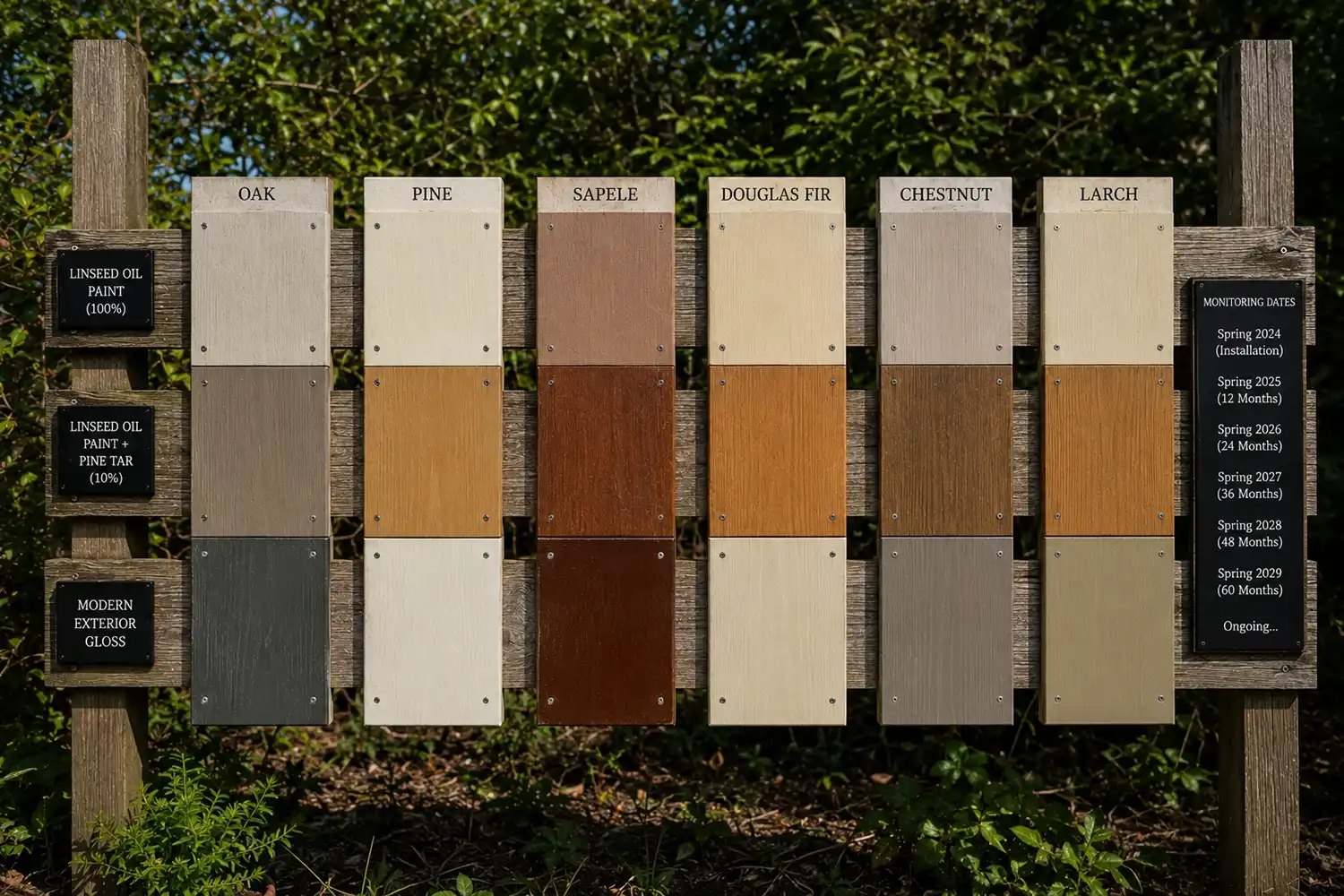
Research includes long-term weathering trials, monitoring paint performance on different timber species, investigating traditional application techniques and assessing long-term durability in exposed environments.
This evidence-based approach allows us to provide practical conservation advice founded on both academic research and real-world experience.

Frequently Asked Questions

Why is linseed oil paint recommended for historic buildings?
How long does linseed oil paint last?
Can modern paint be removed before applying linseed oil paint?
Is linseed oil paint suitable for listed buildings?
Do you provide advice as well as application?
Can linseed oil paint be applied over modern primers?
Does linseed oil paint require a primer?
Can linseed oil paint be used on new timber?
Is linseed oil paint environmentally friendly?
Why choose iwoodcreate for linseed oil paint?
White Heritage Window
For heritage carpenters utilising linseed oil paint and breathable finishes to support the maintenance of historic buildings across Hampshire, Surrey and West Sussex, please call iwoodcreate on 07585 441274 today.